In short
- Cameras and smartphones are permitted.
- Flash photography and drones are strictly prohibited.
- Never photograph people who are praying.
In this article
Capturing the architecture of the Sultan Qaboos Grand Mosque requires knowing the local rules. The complex welcomes photographers, but the active religious nature of the site means visitors must act respectfully.
Are cameras allowed in the mosque?
Yes, you can use smartphones and dedicated cameras inside and outside.
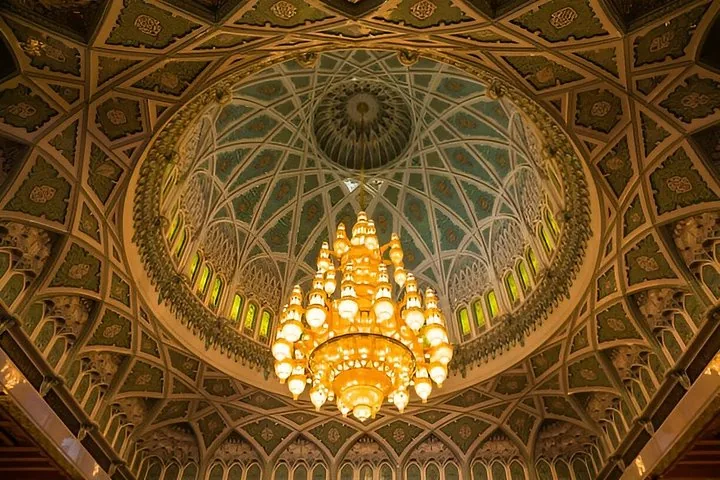
Photography is encouraged in both the main courtyards and the prayer halls. You can bring wide-angle lenses to capture large features like the 50-meter central dome.
What photography gear is prohibited?
Drones and camera flashes are strictly banned everywhere in the complex.
Security will not allow drones on the property. You must turn off your flash before entering the prayer halls to maintain a peaceful environment.
Can I take photos of people praying?
No, taking photos of worshippers is strictly prohibited.
The mosque is an active place of worship. You must point your camera away from anyone engaged in prayer and keep your voice low while working.
Where are the best spots for photography?
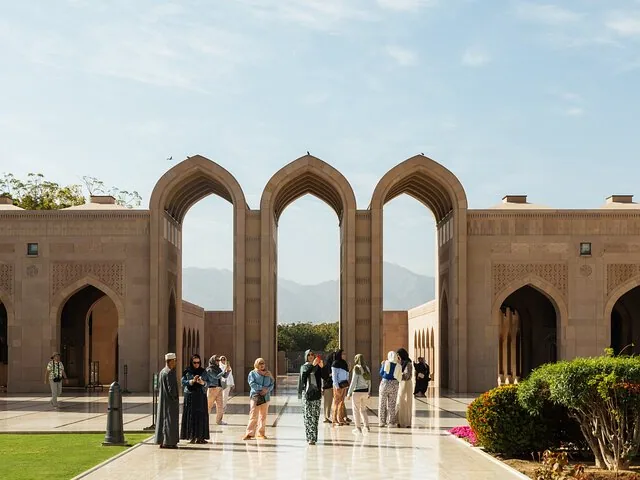
The outer gardens offer the best angles of the 90-meter minarets in the morning light.
Inside the Main Prayer Hall, stand directly beneath the 14-meter Swarovski crystal chandelier for a symmetrical shot. The white marble ablution courtyards provide repeating archways that look great on camera.
When is the best time for lighting?
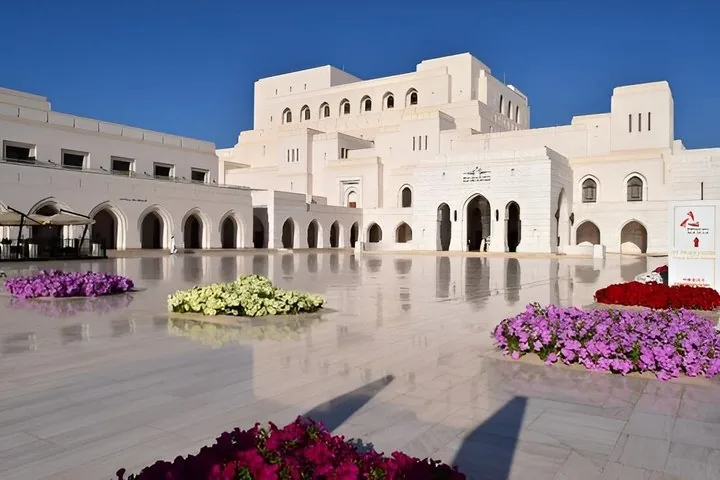
The soft morning light before 9:30 AM provides the best exterior conditions.
Since non-Muslim visiting hours are restricted to 8:00 AM to 11:00 AM, arrive early. The 300,000 tons of white Indian sandstone reflect intense sunlight later in the morning. Wearing sunglasses helps you see your camera screen clearly.
Are there rules about what I wear in photos?
Yes, all subjects in your photos must adhere to the mosque dress code.
Women must cover their hair, arms to the wrists, and legs to the ankles. Men need long trousers and shirts covering the shoulders. Tight or sheer clothing is not permitted. Read our full Dress Code Guide guide for details.
Questions travellers ask
Can I use a flash inside the Sultan Qaboos Grand Mosque?
No, flash photography is strictly prohibited in all areas of the mosque complex, including the prayer halls.
Do I need a permit to take photos?
Standard photography with cameras and smartphones does not require a permit. However, drones are not allowed under any circumstances.
Can I photograph the carpet?
Yes, you can photograph the 21-ton hand-woven Persian carpet. Observe the edges where the color gradation mimics natural light.